

Stir for Life's Currents
Emergent Law of Regenerative Power


The Disturbed Variable
Somewhere between a graduation gown and a monorail loop, I learned that life does not move forward by remaining undisturbed.
In December 1987, I graduated in Mayne Hall at the University of Queensland with a degree in Design Studies. A path seemed implied. Architecture. Professional practice. The steady progression of a young graduate into a recognised field.
Then Expo 88 arrived in Brisbane, Australia.
I left a design technician and model-making opportunity with the Uni-Quest Architecture Office to work with John Holland on the Expo monorail. It was a strange choice on paper. Less noble, perhaps. Less professional. Yet the current had shifted. I could feel the cultural energy of the Expo pulling me toward something larger than career logic.
The monorail itself was a loop. Doors opened. Doors closed. Platforms filled. Crowds moved. Roles shifted. Usher. Station controller. Driver. Day after day, the system repeated itself, efficient and mesmerising.
At the same time, I sat in a philosophy lecture theatre listening to Ian Hinkfuss disturb almost everything I thought I understood. On the final day of semester, after testing our certainty about truth, he told us we were now “disturbed variables.”
I laughed and winced simultaneously then.
Now I think he was naming something essential.
A living system does not renew itself through repetition alone. Too much stability becomes stagnation. Too much disruption becomes collapse. Somewhere between the two is the skilful art of stirring.
This is the reframe.
Disturbance is not the enemy of life. Unconscious disturbance is.
In oceans, upwelling brings nutrients from the depths into sunlight. What has settled below becomes food for plankton, fish, seabirds and whales. Movement restores circulation.
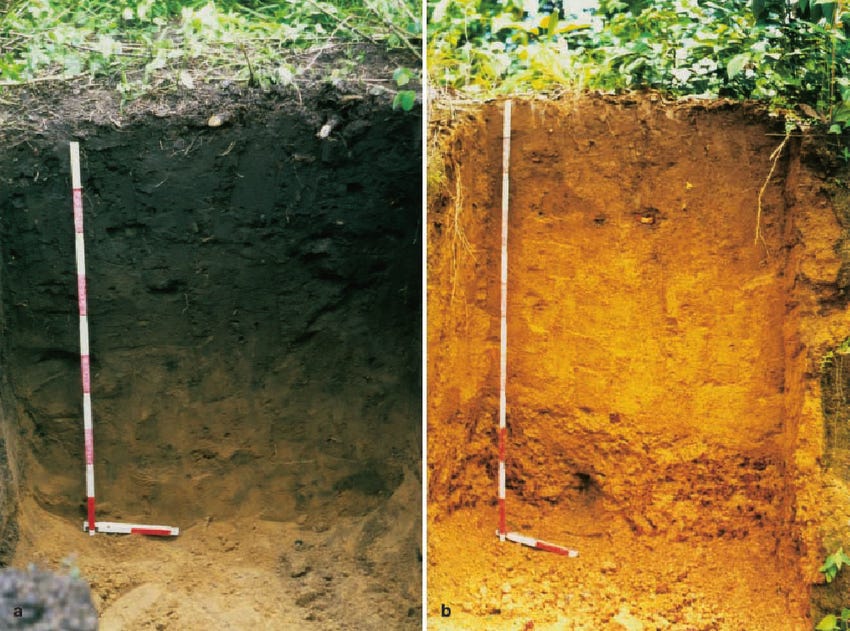
In Amazonian dark earths, Indigenous communities stirred charcoal, organic matter and fragments of pottery into poor soils, creating fertility that endured across generations. Human participation became ecological enrichment.
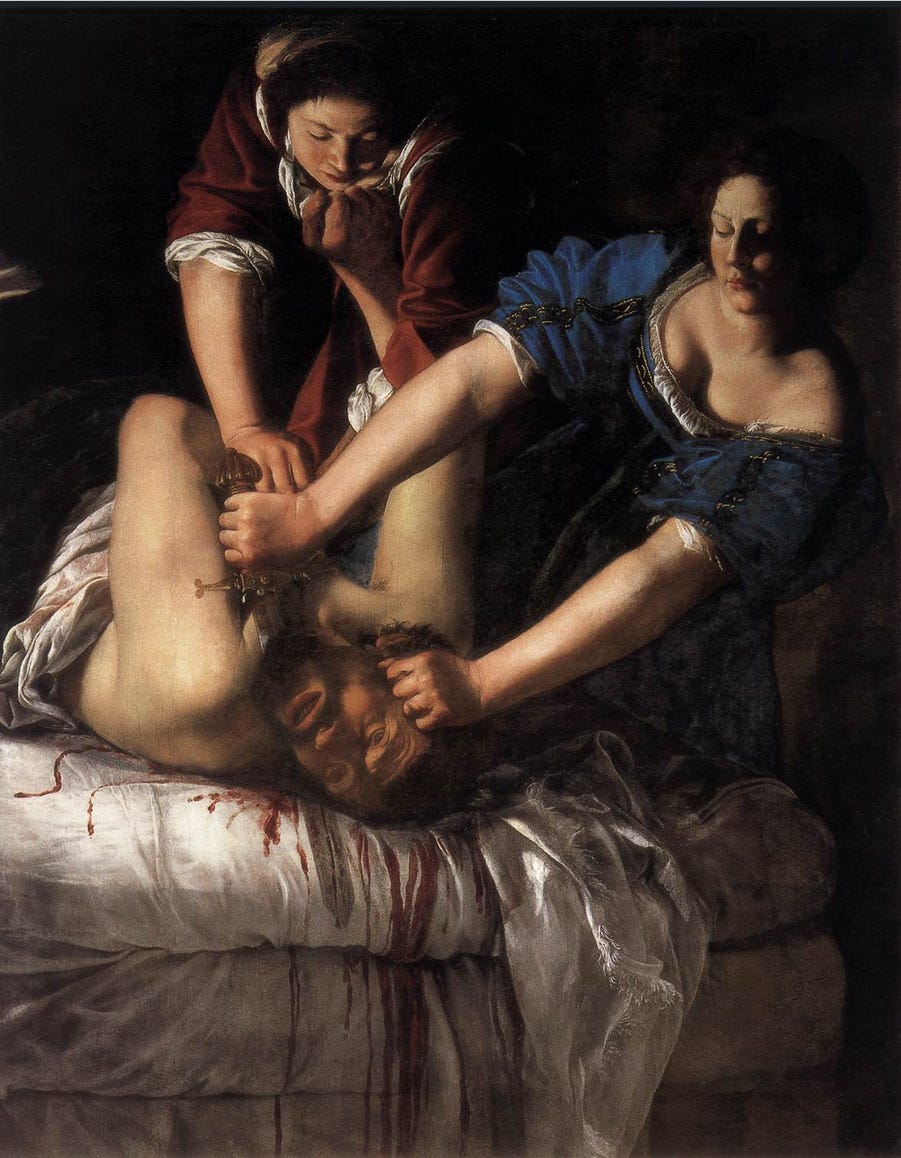
In art, Artemisia Gentileschi stirred the visual culture of her time by painting women not as passive figures, but as agents of force, skill and moral presence. Her canvases unsettled convention because they carried too much truth to ignore.
The same pattern appears in leadership.
Some organisations become too smooth. The meeting rhythms continue. The language sounds polished. The strategy documents circulate. Yet the life has gone out of the system. People comply, but they no longer generate. Ideas are managed before they are allowed to breathe.
To stir for life’s currents is not to provoke for effect. It is not drama. It is not clever destabilisation. It is the disciplined act of introducing just enough movement for hidden energy to surface.
A question asked at the right time.
A contradiction named without blame.
A forgotten voice invited into the room.
A new metaphor placed into a tired conversation.
This is ecological leadership in practice. Not control. Not chaos. Circulation.
The question I am holding this week is simple.
Where has the system become too settled to remain alive?
Video Explanation
If you prefer to listen, this week’s 3-minute video explores Law 39 — Stir for Life’s Currents.
Book drafting continues steadily. Law 39 is part of the Ecological Wisdom cluster within the 48 Laws of Regenerative Power.
Next week I’ll share Law 40: Value Through Reciprocity